

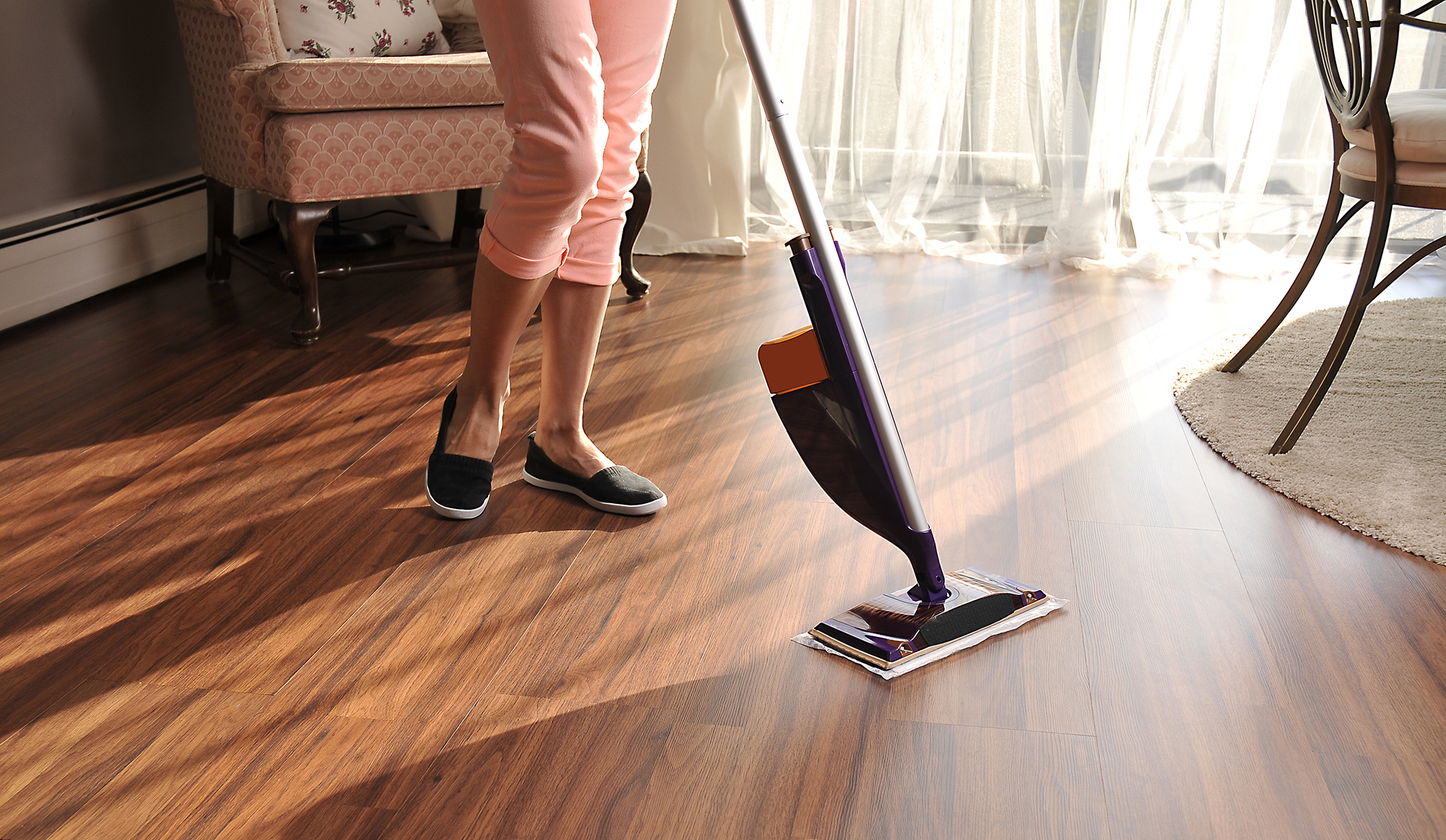
A clean floor can make your entire home feel fresher, but using the wrong cleaning product can create more problems than it solves. A cleaner that works well on one surface may leave residue on another, affect its finish, or make it harder to maintain.
If you want your flooring to keep looking its best, start by understanding what material you have and how it should be cared for. Whether your home is in Ammon, Idaho Falls, Pocatello, Victor, Jackson, or Wilson, a suitable cleaning routine can help you manage everyday dirt without putting unnecessary wear on your floors.
If you are looking for guidance on floor care products, explore the floor cleaner options from Bell Hardwood Floors. It is also helpful to understand the characteristics of your hardwood flooring before choosing a cleaning method.
Hardwood Needs a Gentle Approach
Hardwood floors bring natural warmth and character to a room, but keeping them looking good means being careful about moisture and cleaning products. Excess water can damage wood, while unsuitable cleaners may affect the protective finish.
For everyday care, remove loose dust and grit with a soft broom or a vacuum attachment designed for hard flooring. When the floor needs more attention, use a cleaner specifically approved for your hardwood finish and follow the product instructions.
Avoid soaking the floor or leaving wet patches behind. If you spill water or another liquid, wipe it up promptly. These small habits can help you maintain the appearance of your flooring over time.
Luxury Vinyl Requires the Right Product Too
Luxury vinyl is often chosen for its practical qualities and variety of designs, but that does not mean every cleaning solution is suitable for it.
Start with regular sweeping or vacuuming to remove particles that can scratch the surface. For routine cleaning, use a product recommended by the flooring manufacturer and follow the directions for dilution and application.
Avoid abrasive tools or harsh chemicals unless the manufacturer specifically approves them. If you are unsure whether a cleaner is suitable, check the flooring care instructions before using it across the room.
Do Not Assume One Cleaner Works Everywhere
It can be tempting to keep one multipurpose cleaner for every surface in your home. However, different flooring materials have different care requirements.
Wood, luxury vinyl, laminate, tile, and other surfaces may respond differently to moisture, chemicals, and abrasive cleaning methods. A product that is suitable for one floor may not be appropriate for another.
Before using a new cleaner, identify the flooring material and check the manufacturer's recommendations. If you have several types of flooring, keeping the appropriate products clearly labeled can help you avoid accidental misuse.
Pay Attention to Residue and Streaks
If your floor looks cloudy or streaky after cleaning, using more product may not solve the problem. In some cases, excess cleaner or an unsuitable formula can leave a film on the surface.
Check the instructions to make sure you are using the correct amount. Applying too much cleaner can leave residue, while using an unapproved product may affect the floor's appearance.
It is also worth checking your cleaning tools. Dirty mop pads can spread grime rather than remove it, so wash or replace them as needed.
Adjust Your Routine to the Season
In mountain communities across Idaho and Wyoming, seasonal changes can influence how much dirt and moisture enter your home. During snowy or rainy periods, footwear can bring in water, grit, and debris. Dry conditions may create more dust that settles on the floor.
You can adapt your cleaning routine to suit these changes. Place mats near entrances, remove outdoor shoes when practical, and sweep high traffic areas more frequently when they collect extra dirt.
During wetter weather, pay particular attention to spills and damp areas. Prompt cleanup is especially important for materials that can be affected by excess moisture.
Build a Simple, Consistent Floor Care Routine
You do not need a complicated collection of products to care for your floors. A routine that includes removing loose dirt, cleaning spills promptly, and using the right product for each surface can make maintenance more manageable.
It is also worth keeping the manufacturer's care instructions available, particularly if you are unsure about a specific stain or cleaning method. Avoid experimenting with abrasive tools or strong chemicals before confirming that they are safe for your flooring.
Protect Your Floors With Smarter Cleaning Choices
Your flooring is an important part of your interior, and taking care of it starts with choosing suitable cleaning methods. When you understand your floor material and follow its maintenance recommendations, you can remove everyday dirt while helping preserve its appearance.
Whether you have hardwood in your living room or luxury vinyl in a busy entryway, the right floor care routine can make everyday maintenance easier. For help exploring suitable floor care options, contact Bell Hardwood Floors.


