

Some areas of your home deal with more moisture than others. You might notice water splashes around the kitchen sink, damp footprints near the entrance, or occasional spills in the laundry room. While these moments may seem minor, they are worth considering when you choose flooring for frequently used spaces.
Waterproof flooring can be a practical option in areas where spills and everyday moisture are part of your routine. If you live in Ammon, Idaho Falls, Pocatello, Victor, Jackson, or Wilson, choosing flooring with the right performance characteristics can help you manage busy spaces while maintaining a consistent interior style.
If you are comparing materials for your next project, explore waterproof flooring options from Bell Hardwood Floors. You can also review luxury vinyl flooring styles to compare available designs and product features.
The Kitchen: A Natural Place to Start
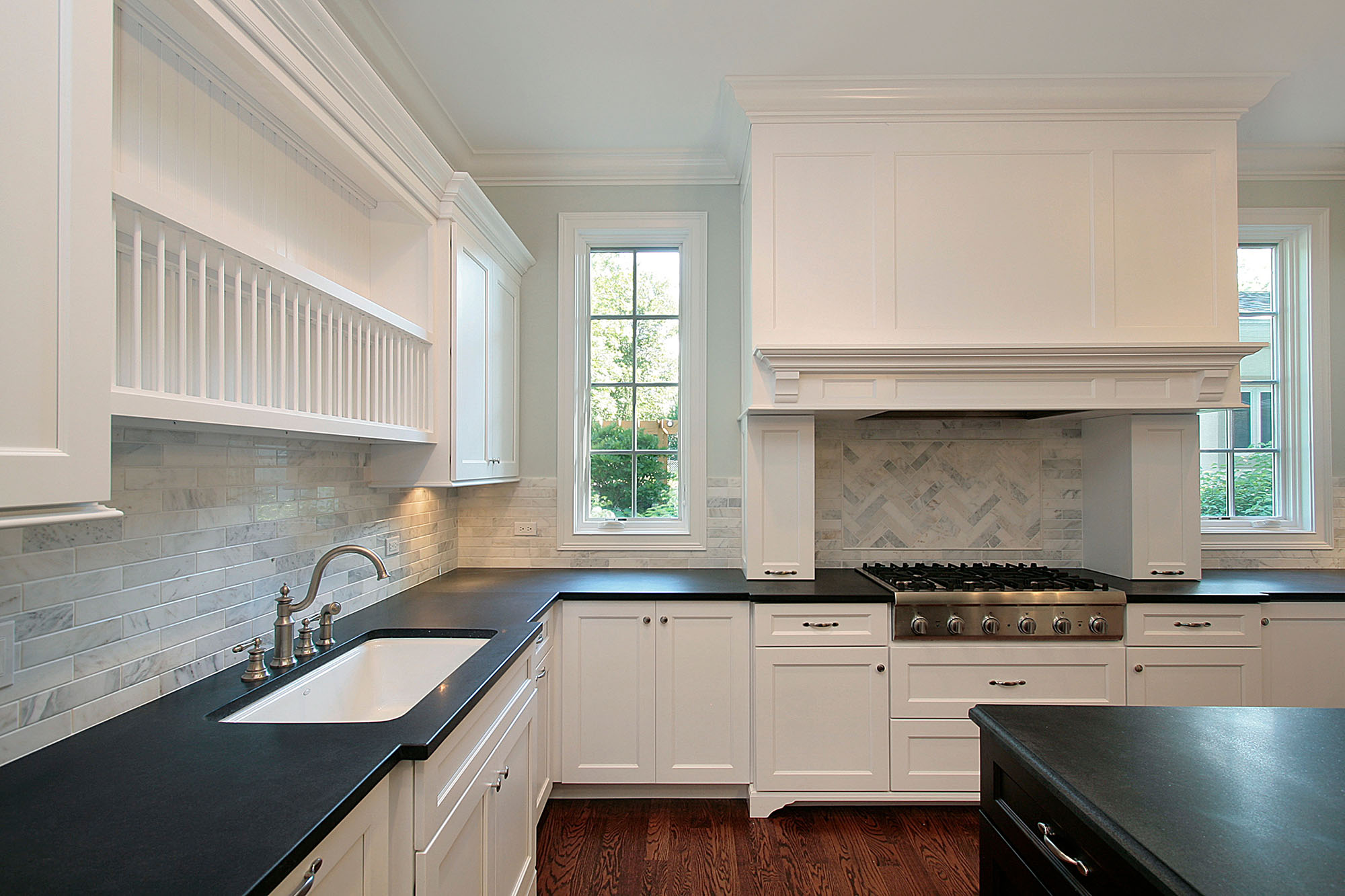
Your kitchen sees plenty of activity throughout the day. Water can splash around the sink, ingredients may spill during meal preparation, and drinks can occasionally end up on the floor.
Waterproof flooring can make sense here because it is designed to resist water exposure under the conditions specified by the manufacturer. This can be particularly useful when you want a floor that supports your cooking routine without making every small spill a major concern.
Think about the kitchen's overall appearance, too. A wood inspired design can complement cabinets and create a warm look, while a lighter finish may help a smaller kitchen feel more open. The key is to choose a product that meets your practical needs and works with the rest of the room.
Entryways That Welcome the Outdoors
If you regularly spend time outdoors, your entryway may need to handle wet shoes, dirt, and moisture brought in from outside. This can be especially relevant during rainy periods or when snow begins to melt in mountain communities.
Waterproof flooring may be worth considering for an entrance that experiences frequent exposure to damp footwear. However, even water resistant surfaces benefit from basic care. Use an entrance mat, remove standing water promptly, and follow the manufacturer's cleaning instructions.
You should also confirm that the product is suitable for your specific installation conditions, including any temperature or subfloor requirements.
Laundry Rooms and Utility Areas
Laundry rooms often combine water, cleaning products, and frequent foot traffic. Small splashes can happen when you move wet clothing or handle laundry supplies, making flooring performance an important consideration.
Waterproof flooring can be useful in this setting, provided the chosen product is suitable for the room and installed according to its specifications. You should still address plumbing leaks quickly and avoid allowing water to remain on the floor for extended periods.
Before selecting a product, check the manufacturer's guidance for installation around appliances and other areas where moisture may collect.
Bathrooms and Other Splash Prone Spaces
Bathrooms are another area where water exposure should influence your flooring decision. Water can reach the floor near sinks, tubs, and showers, especially when the room is used frequently.
Waterproof flooring may offer a practical surface for suitable bathroom installations, but not every product is approved for every application. Check the manufacturer's requirements and consider how the flooring will work alongside the shower, tub, and other fixtures.
Proper installation remains essential. A waterproof surface does not automatically make the entire floor assembly or the surrounding room waterproof.
Think About the Rooms Between
You do not necessarily need to install waterproof flooring throughout your entire home. Instead, consider where moisture exposure is most likely and how you want the different rooms to connect.
For example, you may choose waterproof flooring in an entryway and kitchen while using hardwood in a living room or bedroom. When combining materials, pay attention to color coordination, transition strips, and differences in floor height.
A coordinated palette can help the home feel connected even when each room uses a different flooring product.
Understand What Waterproof Actually Means
Before purchasing, look beyond the product name. Check the manufacturer's information about water resistance, installation requirements, approved room types, and maintenance.
Waterproof flooring can help protect the flooring surface from water exposure, but that does not mean you can ignore spills, leaks, or installation details. Moisture can still affect surrounding materials or the subfloor if water gets beneath the flooring.
Choosing the right product and taking care of it properly can help you get the performance you expect.
Choose Flooring Around Your Everyday Needs
The best place for waterproof flooring depends on how you use your home. Kitchens, entryways, laundry rooms, and suitable bathroom installations are all worth considering when moisture is a regular part of daily life.
By comparing product specifications and thinking about the demands of each room, you can make a flooring choice that balances appearance with practical performance.
If you are ready to explore suitable options for your home in Idaho or Wyoming, contact Bell Hardwood Floors to discuss your flooring needs.


